- Suggestions
- Tarifario
-
-
Make an appointment


Bienvenido
Elige con que asesor deseas chatear y te atenderá con mucho gusto.

Port congestion in northern Europe spreads to the US and China
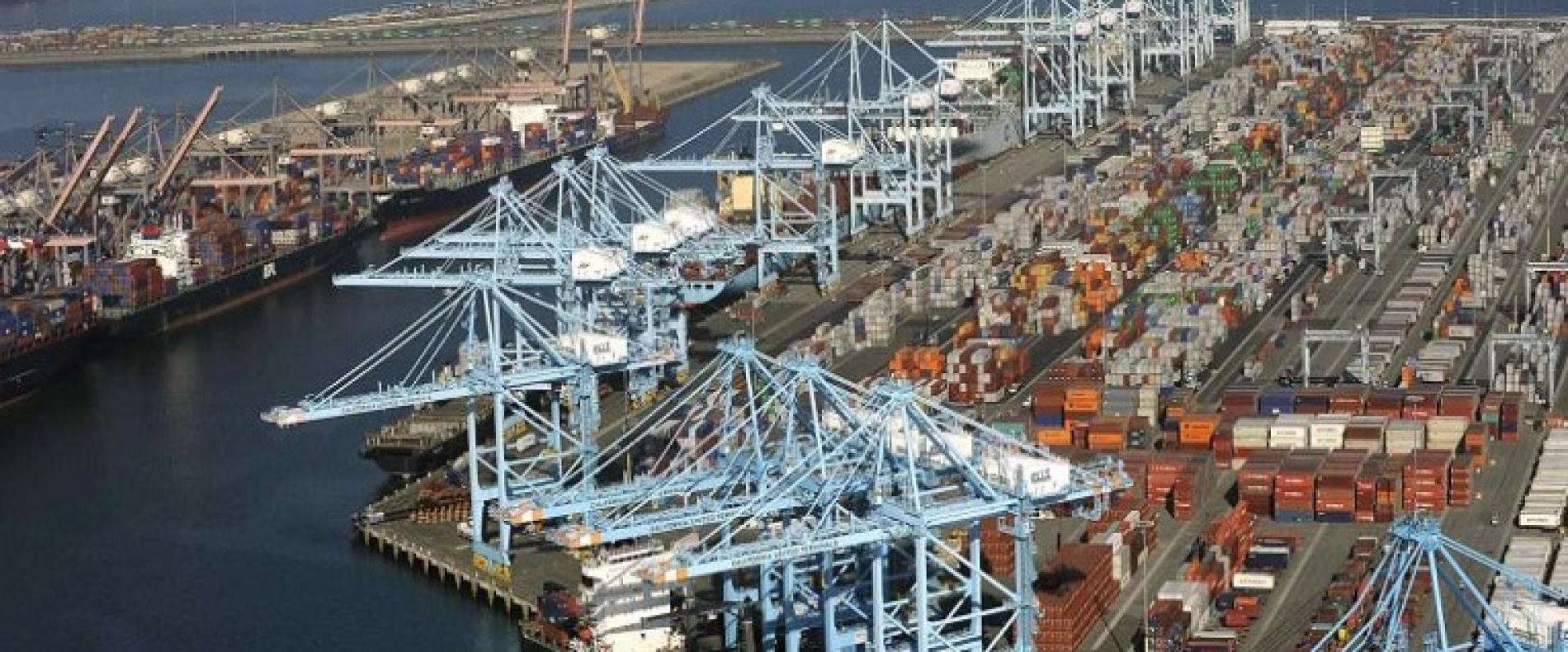
The port congestion seen in major northern European hubs is intensifying and is now spreading to China and the United States, a situation expected to worsen as a result of Donald Trump's on-again, off-again tariff strategy.
To compound the situation, low water levels on the Rhine are limiting barge capacity, especially in Antwerp and Rotterdam, further straining inland logistics, reports Splash. Major gateways, such as Antwerp, Rotterdam, Hamburg, and Bremerhaven, are now dealing with mounting backlogs as container ships face increasing delays. At the Port of Antwerp-Bruges, operations were further strained by a nationwide strike on May 20.
The problem is not limited to Europe. Similar patterns are emerging in Shenzhen, Los Angeles, and New York, where the number of container ships waiting to berth has increased in the past three weeks, according to Drewry.
“Port delays are lengthening transit times, disrupting inventory planning, and pushing shippers to carry additional stock,” Drewry noted. Meanwhile, carriers are diverting vessels and introducing congestion-related surcharges.
Adding to the pressure, eastbound transpacific trade is showing signs of an early peak season, boosted by a 90-day pause on US-China tariffs, which is set to expire on July 9.
Are we facing a repeat of the logistical collapse experienced during the pandemic?
The comparison is not far-fetched. Chinese ports like Shanghai, Ningbo, and Shenzhen are once again overwhelmed, with exporters competing for call windows and limited terminal capacity. In the US, where imports were expected to drop by up to 40%, shipping lines are now reacting to the explosive rise in volumes following the Trump administration's announcement to temporarily eliminate 145% tariffs on Chinese goods.
In Shenzhen, there are up to 50 vessels waiting to dock. In Los Angeles, 42, and in New York, 14. This growing pressure is fueled by a sudden surge in demand, caused by the 90-day tariff pause between China and the US, which expires on August 14.
Drewry and other analysts agree: a profound reconfiguration of supply chain resilience strategies is required. Meanwhile, costs are rising, delays are multiplying, and operators must move quickly in an increasingly unstable global landscape.
Source: MasContainer
Related news

Mincetur: Peruvian exports exceed US$33 billion between January and May and are on track to reach a historic record in 2025.
Mincetur: Peruvian exports exceed US$33 billion between January and May and are on track to reach a historic record in 2025.

MEF: Double taxation agreement boosted Brazilian investment in Peru

Peru will build its first artificial peninsula in Callao: investment amounts to more than US$760 million and will have these innovative spaces
Peru will build its first artificial peninsula in Callao: investment amounts to more than US$760 million and will have these innovative spaces

Peruvian exports and imports register an increase